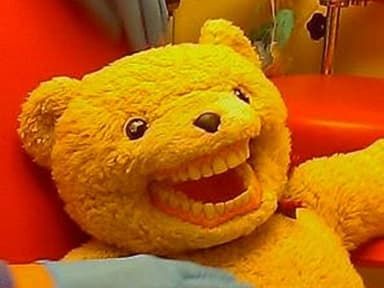
AI summary of “What Makes Things Creepy? The Science of the Uncanny” by Vsauce, generated by Sumvid.
Title
What Makes Things Creepy? The Science of the Uncanny
One-Sentence Summary
Michael from Vsauce explores the psychological and neurological basis of creepiness, revealing that ambiguity and uncertainty about threats—rather than obvious danger—are what truly disturb us.
Key Takeaways
- [0:03] Fear evolved to protect us from clear dangers like predators and poisons, but creepiness emerges from threats that are ambiguous and difficult to categorize.
- [1:43] Stephen King distinguishes three types of fear: "gross-out" (disgust), "horror" (the unnatural), and "terror" (ambiguous dread)—with terror being the creepiest because it involves uncertainty rather than obvious danger.
- [3:25] Masks and clowns are creepy because they hide true emotions and intentions, creating ambiguity about whether the person underneath is a threat—a concept central to why we find them unsettling.
- [3:57] The "Uncanny Valley" describes how something that is almost—but not quite—human creates unease; it's too realistic to dismiss as fake, yet too imperfect to be indistinguishable from human, leaving our brains unable to process it.
- [5:00] Creepiness functions as an adaptive response when our brains encounter ambiguous threats; unable to categorize something as clearly safe or dangerous, we experience cognitive dissonance and feel uneasy rather than typical fear.
- [6:38] The "High Place Phenomenon" demonstrates how ambiguity affects our behavior: our survival instincts pull us away from danger, but our motor systems create conflicting signals, potentially triggering intrusive thoughts about jumping or pushing.
- [7:44] Language itself reflects the duality of powerful experiences—words like "terrible" and "terrific" share roots because awe-inspiring and awful experiences overlap; creepiness reminds us we are fragile yet cunning creatures in an ambiguous world.
Suggested Category Tags
More from Vsauce
The Science and Sociology of Swear Words: Why Some Words Are "Bad"
The Banach-Tarski Paradox: How to Turn One Sphere Into Two
What is Randomness? From Coin Flips to Quantum Mechanics
Understanding Awkwardness: Why Social Discomfort Matters and How Perspective Helps
What Makes You "You"? Exploring Consciousness and Personal Identity
The Rarest Element for an Engagement Ring: A Journey Through the Periodic Table